SOLAR Spectrolab Gaas Cell
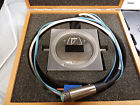
( Brand: Solar ), ( Part Type: Solar Cell )
Review SOLAR Spectrolab Gaas Cell
The Spectrolab GaAs (Gallium Arsenide) Solar Cell is a high-performance photovoltaic device designed for space applications. This solar cell is made from a monocrystalline GaAs material, known for its exceptional electron mobility and high absorption coefficient, which makes it an ideal choice for converting high-energy photons into electricity.
The Spectrolab GaAs solar cell features a compact, lightweight design, making it an efficient spacecraft power source. It is constructed using state-of-the-art processes to ensure superior quality and reliability. The cell's surface is coated with a high-reflectance aluminum back reflector and a high-transmission antireflection coating, maximizing sunlight absorption for optimal power output.
The Spectrolab GaAs solar cell has an open-circuit voltage (Voc) of approximately 1.25 volts, and a short-circuit current (Isc) of about 0.6 amperes under standard test conditions. It boasts an efficiency of over 28%, making it one of the most efficient GaAs solar cells available in the market. This efficiency ensures that the solar cell can generate significant power even in the harsh space environment, where sunlight intensity is lower compared to Earth.
The Spectrolab GaAs solar cell is also known for its exceptional durability. It is designed to withstand extreme temperature variations, radiation, and vacuum conditions without degrading in performance. The cell is fully encapsulated and hermetically sealed to prevent contamination and moisture ingress, ensuring long-term reliability and longevity.
In summary, the Spectrolab GaAs solar cell is a high-efficiency, space-grade photovoltaic device designed for applications where size, weight, and performance are critical. Its exceptional electron mobility, high absorption coefficient, and exceptional durability make it an ideal choice for powering spacecraft and satellite systems.
Pros of buying Spectrolab GaAs solar cells:1. High efficiency: GaAs solar cells have a higher efficiency than silicon-based solar cells, which means they can convert a higher percentage of sunlight into electricity. This can lead to a smaller solar panel array being required to generate the same amount of power.
2. Long lifespan: GaAs solar cells have a longer lifespan than silicon-based solar cells, which can result in lower maintenance and replacement costs over the life of the solar system.
3. Temperature performance: GaAs solar cells perform better at high temperatures than silicon-based solar cells, which can be beneficial in hot climates.
4. Space applications: GaAs solar cells are commonly used in space applications due to their high efficiency and durability in harsh environments.
Cons of buying Spectrolab GaAs solar cells:1. Cost: GaAs solar cells are more expensive than silicon-based solar cells, which can increase the upfront cost of a solar system.
2. Availability: GaAs solar cells are not as widely available as silicon-based solar cells, which can make it harder to find suppliers and installers.
3. Limited applications: While GaAs solar cells have some advantages, they are not suitable for all applications. For example, they are not as cost-effective for large-scale ground-mounted solar farms as silicon-based solar cells.
Ending conclusion:Spectrolab GaAs solar cells offer several advantages, including higher efficiency, longer lifespan, and better temperature performance than silicon-based solar cells. However, they are also more expensive and less widely available. If cost is not a major concern and the solar system is intended for a space application or high-temperature environment, GaAs solar cells could be a good choice. For most ground-mounted solar farm applications, silicon-based solar cells are likely to be more cost-effective.
Recommendation:If cost is a concern, silicon-based solar cells are likely to be the best choice for most ground-mounted solar farm applications. However, for space applications or high-temperature environments, Spectrolab GaAs solar cells could be a good choice due to their superior performance in these conditions. It's always important to consult with a solar energy expert to determine the best option for your specific needs and budget.
Details:
You are buying on a spectrolab gaas Solar cell.
The item is in great condition but has not been tested for functionality.
Ratings:
- Fast and just as described. Works great. 02-24-15
- THANKS FOR A PLEASANT TRANSACTION! 02-20-15
- very accurate 02-26-15
- Very good deal 02-22-15
- Great communication. A pleasure to do business with. 02-22-15
Returns:
- type: Money Back
- policy: returns accepted
- paid by: Buyer
- time: 30 Days
Seller:
- city: Watsonville, California
- zipcode: 95076
Payments:
- PayPal
General:
- in stock: Yes
- Business & Industrial > Fuel & Energy > Alternative Fuel & Energy > Solar Power
- condition: Used
Offer:
- Started: February 26, 2015, 12:09 am
- # bids: 0
- quantity: 1
- best offer: false
- min. bid: $49.99
- # Sold: 0
Shipping:
- handling: 1 days
- type: Calculated
Solar Is Similar To:
- Rc2-g2 Cell Standard Reference Measurements Solar Photovoltaic Pv Calibration (29.1% similar) Canada, Europe, Australia, new Zealand, Taiwan, japan, Korea and china excellent mint condition. Cell is fully operational. Roar does not cover neglect, modifications, damage or misuse by end user. Us naval research labs, JP and agencies. Fortune 10 us government research laboratories. Purchase ...(August 21st, 2015)