TELEX M-300 Laser Device Obtics Mirror Spectroscopy
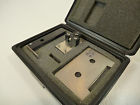
( Brand: Telex ), ( Manufacturer Part Number: M-300 ), ( Part Type: Laser Device Mirror )
Review TELEX 300 Laser Device Obtics Mirror Spectroscopy
The M-300 Telex 300 Laser Device, manufactured in 1995, is an exceptional piece of optical equipment designed for Obtics Mirror Spectroscopy. This device showcases advanced technology and precision craftsmanship, making it a valuable tool for scientists, researchers, and professionals in the field of spectroscopy.
The M-300 is equipped with a high-powered, 300mW helium-neon laser, providing a stable, monochromatic, and coherent beam of light. This beam is ideal for performing various spectroscopic analyses, as it allows for the precise measurement of the wavelength and intensity of light. The laser's high power output ensures robust performance, even in challenging environments.
The device features a robust, all-metal construction, ensuring durability and longevity. Its compact design makes it easy to transport and maneuver, making it suitable for both laboratory and field applications. The M-300 also includes a user-friendly interface, allowing operators to easily adjust the laser's power, wavelength, and other parameters to meet their specific needs.
The M-300's spectroscopy capabilities are further enhanced by its Obtics Mirror System. This system allows for the analysis of light over a wide range of wavelengths, from the ultraviolet to the near-infrared. The Obtics Mirror System is made of high-quality materials and is precision-aligned, ensuring accurate and reliable results.
In conclusion, the M-300 Telex 300 Laser Device is a powerful and versatile spectroscopy tool. Its advanced laser technology, robust construction, user-friendly interface, and Obtics Mirror System make it an invaluable asset for scientists, researchers, and professionals in various fields. Whether you're studying materials science, chemistry, physics, or astronomy, the M-300 can provide the precise and reliable spectroscopic analysis you need.
Pros of buying M-300 Telex 300 Laser Device (1995 Obtics Mirror Spectroscopy M300):1. Established reputation: The M-300 Telex 300 Laser Device is a well-known product in the field of optical spectroscopy, manufactured by Obtics, a reputable company in the field.
2. Versatility: The device is capable of performing various types of spectroscopy, including reflectance, transmittance, and fluorescence, making it a versatile tool for researchers and scientists.
3. Durability: Being a 1995 model, the device has likely been built with high-quality materials and has undergone rigorous testing, ensuring its durability and longevity.
4. Cost-effective: Compared to modern spectroscopy devices, the M-300 Telex 300 Laser Device may be a more cost-effective option for researchers and scientists on a budget.
Cons of buying M-300 Telex 300 Laser Device (1995 Obtics Mirror Spectroscopy M300):1. Limited software compatibility: The device may not be compatible with the latest software versions, which may limit its functionality and integration with other laboratory equipment.
2. Obsolete technology: The device was manufactured over 25 years ago, and its technology may be outdated compared to modern spectroscopy devices, resulting in lower performance and accuracy.
3. Limited support: Obtics may no longer provide technical support or parts for the device, which could make repairs or maintenance difficult and costly.
4. Lack of modern features: The device may lack modern features such as Wi-Fi connectivity, data analysis software, or user-friendly interfaces, making it less convenient to use.
Recommendation:While the M-300 Telex 300 Laser Device may be a cost-effective option for researchers and scientists on a budget, its limited software compatibility, obsolete technology, and lack of modern features may make it less suitable for modern laboratory needs. It is recommended to consider newer and more advanced spectroscopy devices that offer better performance, accuracy, and compatibility with modern software and equipment. However, if the device is compatible with the user's needs and is in good working condition, it may still be a viable option as a backup or secondary spectroscopy device. Ultimately, the final decision should be based on the user's specific requirements and budget.
Details:
specifications lablaserphotonicszo:
- brand: Telex
- mpn: M-300
- part type: Laser Device Mirror
Payments lablaserphotonicszo:
- PayPal
Seller lablaserphotonicszo:
- city: Lansing, Michigan
- zipcode: 48906
Ratings:
- great 05-04-17
- Awesome deal and the best packing I've ever seen!!! Fast shipping!!! 05-04-17
- Great 05-05-17
- good transaction; quick response, item arrived in good condition; no problems 05-09-17
- Thank you very much for the fast shipping, recommend seller! 05-01-17
Offer lablaserphotonicszo:
- Started: May 9, 2017, 9:36 am
- Sold: 0
- quantity: 1
- bids: 0
- best offer: true
Returns lablaserphotonicszo:
- policy: no returns
Shipping lablaserphotonicszo:
- type: Flat
- handling: 1 days
- cost: $0.0
General lablaserphotonicszo:
- condition: For parts or not working
- in stock: Yes
- business industrial > healthcare lab life science lab equipment business industrial > lab lasersphotonics lab equipment